
Monsoon Plant Care — How to Keep Your Garden Thriving in the Rain
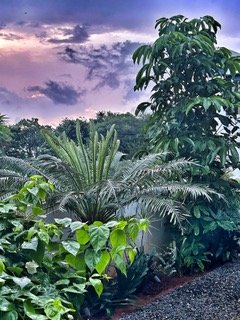
There is a moment, usually in the first week of June, when the sky turns a particular shade of violet-grey and the air smells of wet earth before a single drop has fallen. If you’re a gardener — or if you’ve simply fallen in love with a balcony full of plants — that moment is both thrilling and slightly nerve-wracking. The monsoon is here. And now the real gardening begins.
Contrary to what many people assume, the monsoon is not a season to step back and let nature do its thing. It is one of the most active seasons in the garden calendar — a time when plants can surge forward with extraordinary vigour, but also a time when the wrong conditions can quietly undo months of careful tending. The difference between a garden that thrives through the rains and one that merely survives them comes down to a handful of things done right.
Why Monsoon is Both a Gift and a Test
Rain does what no hose can fully replicate — it washes dust off leaves, replenishes the soil at depth, and triggers a kind of cellular awakening in tropical plants. Banana plants unfurl new leaves almost overnight. Heliconias stand taller. Even a struggling fern seems to find its footing. This is the season when a well-planned garden reveals its character most fully.
But the same abundance of water that energises plants can also suffocate roots if the soil has nowhere to drain. Waterlogging — where roots sit in standing water for extended periods — is the single most common cause of monsoon plant loss in Indian gardens and balconies. It doesn’t announce itself dramatically. A plant simply begins to look tired, then limp, then one morning it is gone. The roots have quietly rotted in soil that never got a chance to breathe.
The solution isn’t complicated, but it requires intention from the start — good drainage, the right soil mix, and planters that work with the season rather than against it.
Drainage is Everything
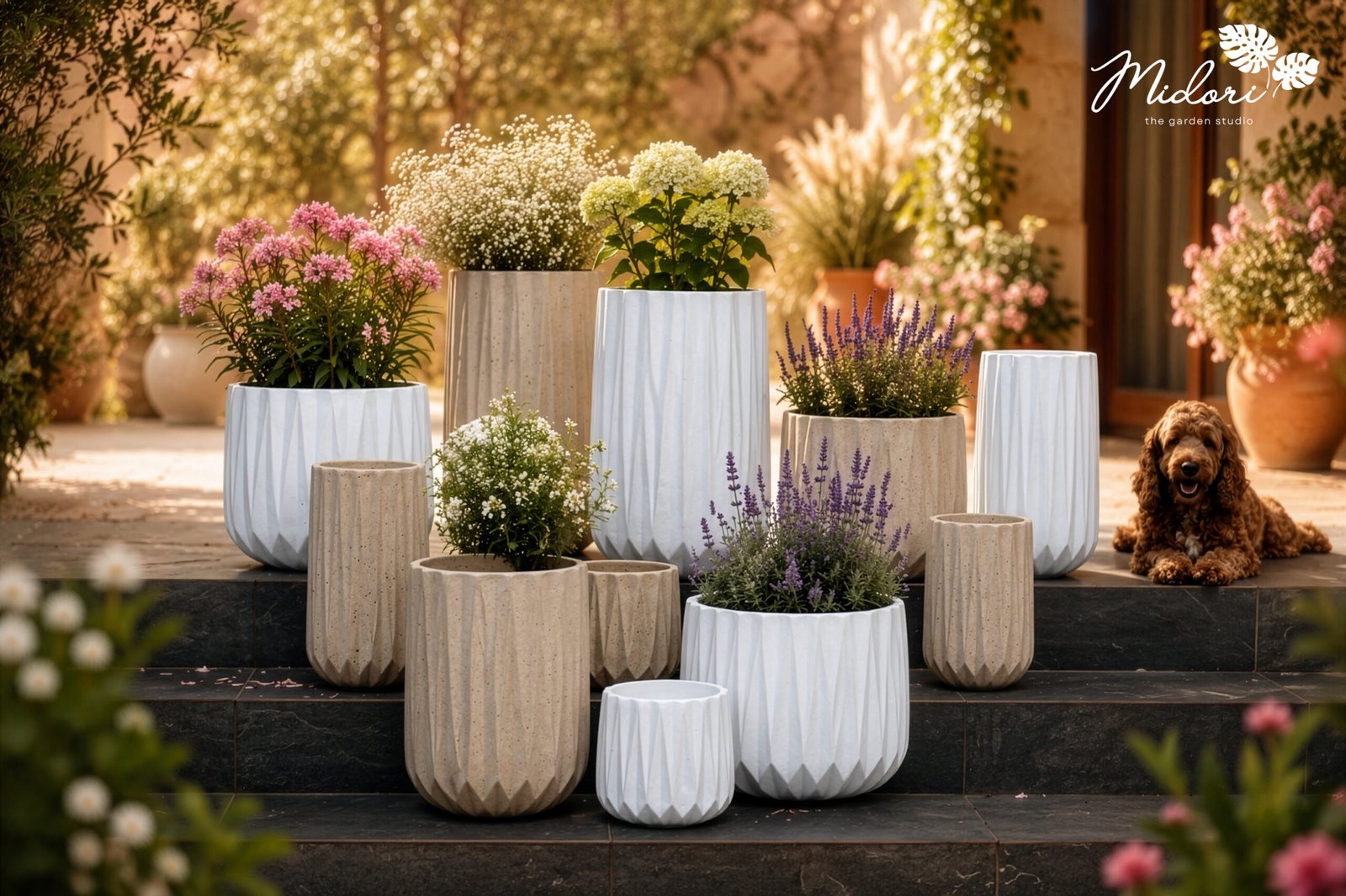
Before the first rains arrive, check every planter and garden bed for drainage. A planter without a drainage hole — however beautiful — becomes a slow trap in the monsoon. If you have statement planters you love that don’t drain well, use them as outer sleeves and drop a plastic nursery pot with drainage holes inside. The look stays intact; the roots stay healthy.
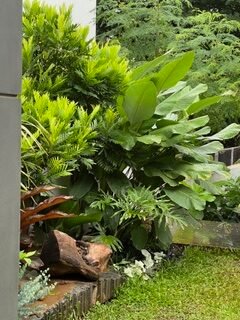
For garden beds, if you notice water pooling after rain and not absorbing within an hour or two, it’s a sign your soil needs amendment. Work in coarse sand or perlite to improve drainage, or consider raising the bed slightly. In a well-designed tropical border — layered with plants of different heights and root depths — the soil naturally manages water better because the root systems work together. This is one reason why thoughtfully planted gardens, rather than single-specimen arrangements, tend to sail through the monsoon more gracefully.
Pull Back on Watering — Seriously
This one surprises people. During the monsoon, most outdoor plants need little to no supplemental watering. The rain is doing that job. The instinct to water as usual is understandable, but overwatering during the monsoon — layering your watering routine on top of daily rain — is one of the fastest ways to harm an otherwise healthy plant.
For balcony and terrace gardens where rain doesn’t always reach directly, check the soil before you water. If the top two inches of soil feel moist, put the watering can down. Plants in terracotta planters give you a helpful visual cue — the clay dries from the outside in, so a pot that looks dry on the surface may still have adequate moisture at the roots.
For indoor plants moved near windows for light, be especially careful. Indoor air is more humid during the monsoon and most indoor plants — particularly succulents, snake plants, and ZZ plants — will need far less water than usual.
Watch for Fungal Issues
High humidity plus warm temperatures plus wet leaves is the ideal environment for fungal infections, powdery mildew, and leaf spot. A few simple habits keep this in check. Water plants at the base rather than overhead wherever possible. Ensure there is air circulation around dense plantings — if leaves are constantly touching and trapping moisture, a little judicious pruning opens things up. Remove any yellowing or damaged leaves promptly, as these are the first entry points for fungal spread.
If you do notice white powdery residue or dark spots appearing on leaves, a diluted neem oil spray applied in the early morning works well as a natural, gentle intervention.
The Monsoon as a Planting Opportunity
Here’s the part most people miss — the monsoon is actually one of the best times to establish new plants in the garden. The soil is soft and receptive, roots establish quickly in the warm humid conditions, and the rain does most of the settling-in work for you. If you’ve been thinking about adding a Bird of Paradise, a row of Heliconias, or a statement planter arrangement to your entrance or garden corner, the monsoon months are the moment to act.
At Midori, some of our most successful garden installations have been done right at the start of the rains — when the conditions are working in everyone’s favour and a new planting looks lush almost from the first week.
A Season to Actually Enjoy
The monsoon asks something of the gardener — a little more attentiveness, a slightly different rhythm. But it gives back generously. A garden in the rains is a garden at its most alive — colours deeper, textures richer, the air thick with the smell of green. Tend it thoughtfully, and these months will be the ones your plants — and you — remember most.
Planning a garden refresh this monsoon season? Write to us at landscapes@midorigarden.com — we’d love to help.